
Flat Mop Features You Should Check Before Buying
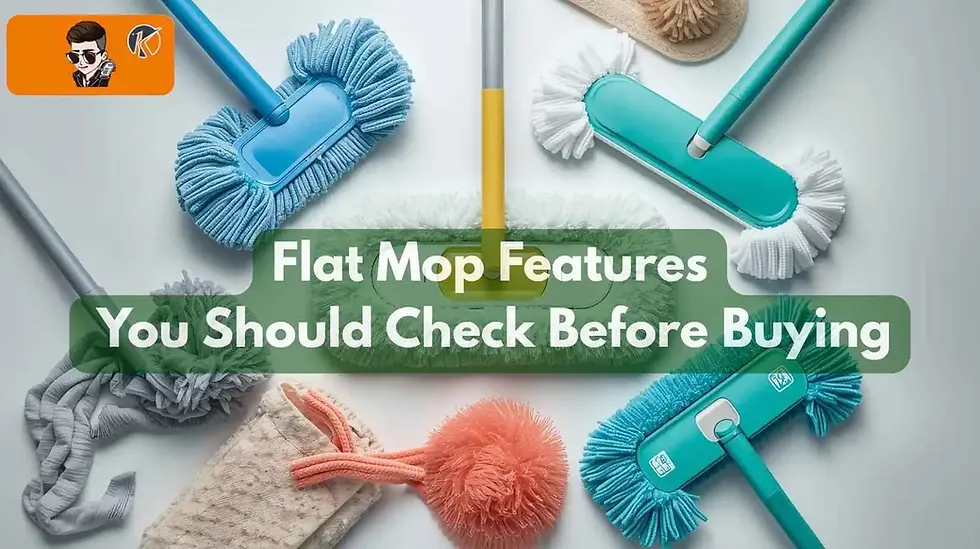
Flat mops have become one of the most popular cleaning tools in modern homes. They look simple, they’re easy to use, and they promise fast, efficient cleaning with less effort. But choosing the right flat mop isn’t as straightforward as many people believe. From hidden design details to misleading claims, several factors influence how well a flat mop performs and how long it lasts.
In this guide, we’ll explore the features you should check before buying a flat mop, along with the history, myths, expert opinions, surprising scientific facts, and the risks of choosing the wrong one. Whether you’re upgrading your home cleaning tools or purchasing mops for a business, this article will help you make an informed, confident choice.
Quick Look at the Origin of Flat Mops
In the early days, households relied on heavy string mops made from cotton or wool. These mops absorbed a lot of water, stayed wet for hours, and were clumsy to wring out. They worked well for soaking large spills but were not great for everyday cleaning. As modern homes transitioned to smooth, delicate flooring materials like laminate, engineered wood, and polished tiles, string mops became too wet and abrasive to safely maintain them.
Industrial cleaners first experimented with flat mop designs, creating pads that could wipe large surfaces without damaging them. They used microfiber, a synthetic material made of fine, split fibers that attract dust and debris through static electricity. This innovation quickly grew in popularity. Soon, companies developed swivel heads, lightweight handles, and removable pads giving rise to the flat mop designs we recognize today.
Today, flat mops are preferred by both homeowners and professional cleaners because they reduce cleaning time, prevent streaks, and minimize stress on the body. Understanding where these tools came from helps explain why certain features matter so much.
Common Myths and Misconceptions About Flat Mops
Even though flat mops are widely used, several myths still confuse buyers. Let’s clear up the most common misconceptions.
All flat mops clean the same way
This myth couldn’t be further from the truth. Flat mops vary in pad material, head flexibility, pad thickness, and absorption level. Low-quality flat mops often push dirt around rather than lifting it. High-quality microfiber pads, on the other hand, trap fine dust, pet hair, and even bacteria.
The pad density, weave pattern, and fiber quality also affect how efficiently the mop cleans. A poorly designed swivel head or stiff mop handle can make it difficult to reach corners or clean underneath furniture.
More water means better cleaning
Traditional mops required a lot of water. Flat mops do not.
In fact, too much water can leave streaks, damage wooden floors, and make drying time longer. Microfiber works best with minimal moisture it uses static charge and fine fibers to pick up dirt. Using more water actually reduces the pad’s ability to grab dust.
You don’t need replaceable pads
Some buyers think all they need is one reusable pad. While reusable pads are excellent, they eventually wear out. Using an old, flattened pad spreads dirt instead of removing it.
If replacement pads are not available for your mop model, you may end up replacing the entire mop sooner than expected. That’s why buying a mop with easily available refills is essential.
Scientific Facts About Flat Mop Materials and Performance
To understand what makes a flat mop good, it helps to look at the science behind its materials and design.
Microfiber Technology Explained
Microfiber is the star of modern flat mops. It’s made by splitting polyester and polyamide fibers into extremely fine strands much thinner than human hair. These split fibers create more surface area, allowing the pad to trap dust, grease, and bacteria effectively.
Here’s how microfiber works scientifically:
It creates static electricity to attract dust and hair.
It absorbs and locks in moisture through capillary action.
It has tiny “hooks” that lift dirt instead of dragging it.
Studies have shown that microfiber traps up to 99% of bacteria using water alone, making it an eco-friendly cleaning option.
Absorption Capacity and Fiber Density
The density of microfiber pads is measured in GSM (grams per square meter). Higher GSM indicates thicker, richer fibers that absorb more liquid and pick up more debris.
Low GSM (≤300): Suitable for light dusting.
Medium GSM (300–500): Good for everyday cleaning.
High GSM (≥500): Best for deep cleaning and tackling spills.
A quality flat mop pad balances density with flexibility so it can glide smoothly across floors without leaving streaks.
Swivel Head Mechanics
The 360° swivel head is not just a marketing gimmick it’s backed by physics. A flexible joint reduces friction and distributes pressure evenly, allowing the mop to:
Reach tight corners
Clean under furniture
Move smoothly around objects
Cheap mops often have stiff or poorly engineered swivel heads that make cleaning frustrating and inefficient.
Expert Opinions: What Professionals Recommend
Professionals who clean daily know what makes a mop truly work. Let’s look at what they say.
Housekeeping Experts
Professional housekeepers prefer flat mops that are:
Lightweight
Ergonomically designed
Easy to wring or wash
Equipped with detachable pads
They emphasize that a heavy or poorly designed handle causes wrist pain during long cleaning sessions.
Cleaning Business Owners
For business owners, durability is the top priority. They look for:
Stainless steel or high-grade aluminum handles
Reinforced joints that won’t crack
Reusable microfiber pads that last for hundreds of washes
They also stress the importance of refill availability. If a mop model gets discontinued, their entire workflow gets disrupted.
Floor Care Specialists
Floor experts know that the wrong mop can damage surfaces. Their recommendations:
Use soft microfiber pads on hardwood and laminate.
Use denser pads on stone and textured tiles.
Avoid abrasive materials on glossy floors.
According to them, the mop head’s design should ensure even pressure distribution to avoid streaking and scratching.

Real-Life Case Studies (User Experiences)
Learning from others’ experiences can help you avoid costly mistakes. Here are real-world examples of what happens when buyers skip key features.
Case 1: The Mop That Scratched a Laminate Floor
A homeowner bought a cheap flat mop with a thin, abrasive pad. After a few uses, small scratches appeared across her laminate floor. The problem was the pad texture and unpadded mop head edges. This case highlights why you must choose a mop pad suitable for your flooring.
Case 2: The Mop That Fell Apart in Weeks
Another buyer purchased a low-cost mop with a plastic handle and weak joint. Within weeks, the swivel mechanism loosened, making the mop head wobble uncontrollably. The customer ended up replacing the entire tool. Had she checked the handle material and joint quality, she could have avoided this.
Case 3: The Mop That Made Cleaning Faster
A professional cleaner switched to a premium flat mop with a thick microfiber pad and sturdy aluminum handle. She reported faster cleaning times and fewer streaks. The flexible mop head made it easier to navigate around furniture. This case proves that good design genuinely improves daily cleaning.
Key Features You MUST Check Before Buying a Flat Mop
When choosing a flat mop, focus on the features that directly influence performance, durability, and ease of use.
Mop Pad Material
Microfiber is the best option for most households because it:
Traps dust effectively
Absorbs spills quickly
Works with minimal water
Is gentle on delicate floors
Cotton pads are less effective and take longer to dry. Disposable pads are convenient but expensive over time.
Pad Size and Thickness
A larger pad covers more area, but it must be stable. Thicker pads absorb better and offer better scrubbing, especially for sticky dirt.
If you have big rooms or open spaces, choose a mop with a wide pad. For smaller homes and tight spaces, a standard-size pad is easier to maneuver.
Handle Quality and Adjustability
Handles come in three main materials:
Plastic: Light but weak
Aluminum: Lightweight and stronger
Stainless steel: Durable and long-lasting
An adjustable handle prevents back strain and makes cleaning comfortable for people of different heights.
Mop Head Flexibility and Rotation
A good flat mop should have:
A smooth 360° swivel
A padded base
Secure pad attachment (Velcro or clips)
Flexibility helps clean under beds, sofas, and cabinets.
Bucket or No Bucket?
Flat mops come in different styles:
Spray mops: Great for quick cleaning and small spills
Self-wringing mops: Perfect for deep cleaning without touching dirty water
Traditional flat mops + bucket: Best for big homes or commercial use
Choose based on your cleaning routine.
Refill Availability and Cost
Never buy a mop without checking if replacement pads are easy to find. Some brands discontinue models, making their refills unavailable.
Buying a mop with universal-size pads is a safe choice.
Compatibility with Floor Types
Different floors need different pads:
Hardwood: Soft microfiber
Laminate: Smooth, non-abrasive pads
Tiles: Dense fiber pads for grooves
Marble: Gentle pads to prevent scratching
Matching the pad to your floor prevents damage and improves cleaning results.
Hidden Dangers of Choosing the Wrong Flat Mop
The wrong mop is more than a minor inconvenience it can create actual hazards.
Floor Damage
Abrasive pads can scratch delicate surfaces, while overly wet mops can damage wood by causing swelling or warping.
Bacterial Build-Up
Pads that stay damp for too long encourage bacteria and mold growth. Old pads also spread dirt instead of collecting it.
Mold Growth in Buckets
Poorly designed buckets with no ventilation or drainage lead to mold buildup, producing bad odors and health risks.
User Fatigue and Injury
A heavy mop or stiff handle puts strain on the shoulders, wrists, and back. Over time, poor ergonomics lead to discomfort and chronic pain.
Preventive Tips for Safe and Effective Mop Use
To get the most out of your flat mop, follow these tips:
Wash Pads Regularly at Proper Temperatures
Wash microfiber pads in warm water without fabric softeners, which coat fibers and reduce effectiveness.
Replace Pads on Time
When pads look flattened or worn out, replace them. Fresh pads clean better and prevent streaks.
Match the Pad to the Floor Type
Never use a rough pad on a glossy or wooden surface. Check the manufacturer’s recommendation for best results.
Store Mops Properly
Hang the mop vertically so pads can dry quickly. Avoid leaving it in a bucket where moisture gets trapped.
Conclusion
Flat mops may look simple, but their design, materials, and features greatly influence their cleaning performance. Understanding the science behind microfiber, the expertise of cleaning professionals, and the real risks of choosing the wrong mop helps you make a smarter buying decision.
When you shop for a flat mop, don’t focus only on appearance focus on features that matter: pad quality, density, handle strength, swivel design, floor compatibility, and availability of replacement pads. The right flat mop will protect your floors, reduce cleaning time, and make your daily routine smoother and more enjoyable.


Comments