
Best Practices for Working with a Wholesale Cleaning Products Supplier
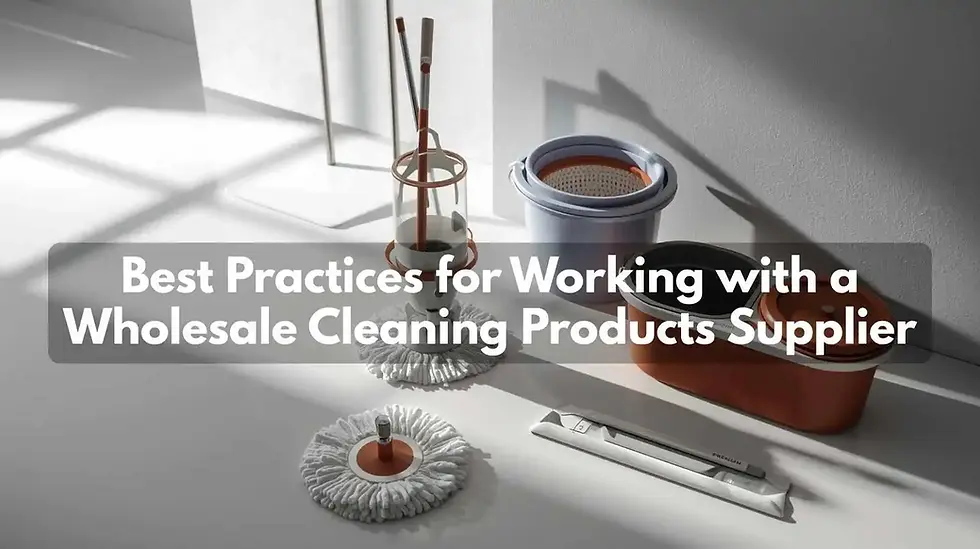
Managing cleaning operations for commercial spaces today requires more than basic supplies, It demands consistency, reliability, and access to high-performance cleaning solutions. Whether a business operates retail stores, warehouses, restaurants, healthcare facilities, or office buildings, partnering with a trusted wholesale cleaning products supplier plays a major role in maintaining hygiene standards, meeting compliance requirements, and keeping operational costs under control.
This detailed guide explores industry insights, best practices, product considerations, supplier evaluation tips, and the latest trends to help buyers and procurement managers make informed purchasing decisions. By understanding how to work effectively with a wholesale cleaning products supplier, businesses can optimize their supply chains, secure better pricing, and ensure uninterrupted cleaning operations.
Understanding Wholesale Cleaning Products
What Wholesale Cleaning Products Include
Wholesale suppliers provide a wide range of cleaning products that support various industries. These items typically include:
Surface disinfectants and sanitizers
Floor care chemicals, such as detergents and polishers
Glass cleaners, restroom cleaners, and all-purpose solutions
Mops, brooms, microfiber cloths, and cleaning tools
Waste bags, garbage liners, and disposable cleaning supplies
Eco-friendly and biodegradable cleaning products
A reliable wholesale cleaning products supplier ensures these categories are always in stock, offering bulk packaging and consistent quality to help businesses manage daily cleaning tasks without delays.
Types of Cleaning Products for Different Industries
Each industry uses specific products based on hygiene conditions and safety requirements:
Retail stores need solutions for high-traffic floors, shelves, and customer touchpoints.
Hotels and hospitality rely on multi-surface cleaners, premium laundry detergents, and room sanitizing products.
Healthcare facilities require hospital-grade disinfectants and compliant sanitizers.
Restaurants need food-safe degreasers, kitchen sanitizers, and odor-control chemicals.
Industrial and warehouse operations use heavy-duty degreasers, industrial floor cleaners, and oil removers.
Wholesale suppliers understand these requirements and provide solutions tailored to various industries.
Key Features to Look for in Wholesale Cleaning Products
Partnering with the right vendor means having access to high-quality products with verified performance. Buyers should focus on the following features:
Quality and Safety Certifications
Always confirm whether cleaning products meet recognized industry standards such as:
EPA and EU approvals
MSDS (Material Safety Data Sheets)
Dermatology-tested certifications
Non-toxic or food-safe labels (where applicable)
A dependable wholesale cleaning products supplier should openly share safety documentation and product test reports.
Concentration and Performance
High-performing cleaning products usually come in concentrated forms, offering:
Better cleaning efficiency
Reduced per-use cost
Less warehouse storage space
Flexible dilution options for different tasks
Buyers should always request concentration details and test performance before finalizing long-term supply contracts.
Cost Efficiency and Bulk Packaging
Bulk purchasing is one of the biggest advantages of working with a wholesale supplier. Packaging commonly includes:
Jumbo refill packs
Industrial-size containers
Pre-portioned chemical packs for cleaning machines
This helps reduce packaging waste, lower procurement expenses, and ensure smoother operations for cleaning teams.
Sustainability Factors
Eco-friendly products are becoming increasingly popular across industries. Businesses often look for:
Biodegradable chemicals
Plant-based formulas
Non-toxic, low-odor solutions
Recyclable packaging materials
A forward-thinking wholesale cleaning products supplier offers sustainable options for environmentally conscious businesses.
Applications of Products for Different Business Types
Wholesale cleaning supplies support business hygiene in many forms. Here’s how different industries use them:
Retail and Supermarkets
Retail stores must maintain spotless environments to ensure customer satisfaction and compliance. Wholesale products help with:
Daily floor mopping and polishing
Shelf and storage area cleaning
Sanitizing cashier counters and self-checkout screens
Disinfecting high-touch areas such as doors and trolleys
Offices and Corporate Workspaces
Workplaces require solutions designed for:
Desk sanitization
Meeting room cleaning
Restroom hygiene
Air-quality improvement through odor-control products
Restaurants & Food Service
Food-centric businesses depend on safe cleaning practices. They commonly use:
Kitchen degreasers
Oven and grill cleaners
Food-contact-safe sanitizers
Anti-bacterial sprays
Drain and odor-control products
Industrial & Warehouse Operations
Large facilities require heavy-duty supplies that address:
Oil and grease buildup
Industrial machine cleaning
Floor scrubbing and polishing
Chemical spill control
A specialized wholesale cleaning products supplier typically offers industrial-grade formulas for high-demand environments.
Key Benefits for Businesses with a Wholesale Supplier
Partnering with the right wholesale vendor offers numerous advantages that support operational efficiency and long-term cost savings.
Cost Advantages
Wholesale bulk buying significantly reduces:
Unit cost
Shipping charges
Purchasing frequency
Budget fluctuations
Businesses can lock in pricing by negotiating long-term contracts, making procurement more predictable.
Consistency and Reliability
Having one trusted vendor ensures that:
Products remain consistent in quality
Stock levels remain predictable
Deliveries are on schedule
This eliminates sudden supply shortages that disrupt cleaning routines.
Customization and Private Label Options
Some wholesale suppliers offer:
Custom formulations
Brand-labeled packaging
Tailored dilution ratios
This is especially useful for cleaning service providers and businesses building their own product lines.
Streamlined Supply Chain
Wholesale suppliers support efficient inventory management with:
Regular delivery schedules
Real-time order tracking
Seasonal demand planning
Bulk order processing
A professional wholesale cleaning products supplier helps businesses avoid downtime by ensuring timely and accurate order fulfillment.
Working with a Wholesale Cleaning Products Supplier
To maximize value, businesses should follow these essential practices:
Conducting Initial Research
Before selecting a supplier:
Compare product range
Evaluate customer reviews
Check certifications and compliance
Analyze pricing structures
Requesting Samples and Testing Products
Always test performance before buying in bulk. This helps confirm:
Cleaning efficiency
Odor levels
Material compatibility
Safety suitability
Testing reduces the risk of choosing unsuitable chemicals.
Negotiating Pricing and Order Terms
Smart negotiation leads to better long-term benefits. Buyers should discuss:
Minimum order quantities
Contract-based pricing
Seasonal demand management
Shipping and freight discounts
Setting Clear Communication Standards
Working smoothly with a wholesale cleaning products supplier requires transparent communication, such as:
Order lead times
Delivery windows
Contact points for issue resolution
Return or replacement policies
Clear guidelines avoid supply disruptions.
Maintaining Long-Term Supplier Relationships
Sustaining a good supplier partnership includes:
Providing performance feedback
Sharing forecasted demand
Scheduling reviews to optimize purchasing
Exploring new product options together
Long-term cooperation often leads to better pricing, priority service, and personalized support.
How to Choose the Right Wholesale Products Supplier
Selecting the best supplier requires careful evaluation of several factors.
Key Evaluation Criteria
Buyers must assess:
Supplier experience and market reputation
Breadth of product portfolio
Certifications and product compliance
Delivery capabilities
Pricing transparency
Customer service quality
Experience often reflects reliability and industry knowledge, which are crucial for long-term supply planning.
Red Flags to Avoid
Avoid suppliers with:
No safety or compliance documents
Poor communication
Unclear pricing or hidden fees
Inconsistent stock levels
These issues can disrupt operations and increase costs over time.
Questions Buyers Should Ask
Before finalizing a partnership, ask:
Do you offer eco-friendly cleaning product options?
What are your minimum order requirements?
How fast can you deliver during peak periods?
Are samples available for testing?
Do you provide private label or customized solutions?
These questions help buyers understand the supplier’s reliability and flexibility.
Latest Industry Trends in Wholesale Cleaning Products

Industry trends influence purchasing decisions and product innovations. Businesses should stay updated to make smarter choices.
Rise of Eco-Friendly Cleaning Solutions
There is rapid growth in demand for:
Biodegradable cleaning supplies
Plant-derived formulas
Non-toxic surface cleaners
Businesses prefer green alternatives to meet environmental goals and satisfy customer expectations.
Technology-Driven Cleaning Products
Modern cleaning products now include:
Smart chemical dispensers
Advanced disinfectants
Surface long-lasting antimicrobial coatings
These innovations help reduce chemical waste while improving hygiene.
Automation in Cleaning Operations
Cleaning equipment is becoming more advanced through:
Robotic cleaning systems
Automatic floor scrubbers
Sensor-based sanitizing units
Such tools integrate well with wholesale supply programs.
Supply Chain Optimization Trends
Wholesale suppliers now rely on:
Predictive restocking algorithms
Digital order tracking systems
Global sourcing diversification
These improvements support consistent and timely deliveries.
Conclusion
Working with a professional wholesale cleaning products supplier ensures businesses achieve consistency, safety, and cost savings while maintaining high hygiene standards. From evaluating product quality and certifications to negotiating favourable terms and building long-term relationships, effective supplier collaboration strengthens operational efficiency.
By following the best practices outlined in this guide, buyers can optimize their purchasing process, secure better value, and ensure their cleaning operations remain seamless and fully supported by dependable wholesale partners.
Read this blog Top Cleaning Products from a Wholesale Supplier
Frequently Asked Questions (FAQs)
How can a business determine the right products for its needs?
Businesses should assess their cleaning environment, industry hygiene requirements, and daily cleaning routines. Testing samples from a wholesale cleaning products supplier helps confirm product performance before bulk purchasing.
What certifications should wholesale cleaning products have?
Look for EPA approvals, MSDS documentation, food-safe labels, and industry-specific certifications. These ensure products meet safety, performance, and regulatory standards.
How do wholesale suppliers help reduce procurement costs?
Wholesale suppliers offer bulk pricing, discounted contracts, and consolidated shipping options. This reduces per-unit cost, improves budget predictability, and eliminates frequent reordering expenses.
What factors affect lead time and delivery schedules?
Lead times depend on stock availability, shipping distance, seasonality, and supplier logistics systems. Reliable suppliers provide tracking updates and clear delivery timelines.
Are eco-friendly cleaning products available at wholesale prices?
Yes. Many suppliers now offer biodegradable and non-toxic cleaning solutions at competitive wholesale pricing, helping businesses meet their sustainability goals.


Comments